
Australia’s diesel dual-cab market is facing its first real challenge as electrification finally tackles the rugged demands of our local landscape. While skeptics once doubted that EVs could handle the heavy-duty needs of tradies and travelers, the arrival of “quiet capability”, defined by instant torque and smart power solutions, is proving otherwise.
This comprehensive 2026 Guide to Range, Towing, and Specs takes a deep dive into the three heavyweights leading the charge: the Toyota HiLux EV, the Isuzu D-Max EV, KGM Musso EV, Geely Riddara RD6 Pro, and the LDV eTerron 9. From metro workhorses to long-distance lifestyle utes, here is everything you need to know about the electric vehicles replacing the traditional diesel rattle.
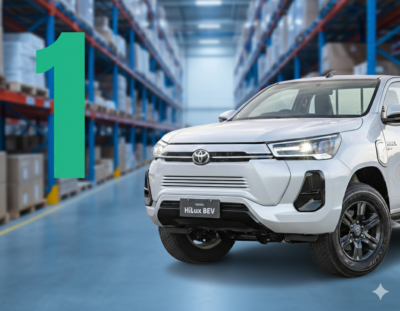
1. Toyota HiLux EV: The Versatile Metro Workmate
Toyota is leveraging the reputation of Australia’s top-selling vehicle to lead the charge in urban fleet electrification. The HiLux EV is designed specifically for those who operate in metro areas and require a vehicle that doubles as a mobile power station.
Range & Performance: Powered by a 59.2kWh battery, it offers a 240km WLTP range. The permanent All-Wheel Drive (AWD) ensures better responsiveness than its internal combustion counterparts.
The Workflow Advantage: While it features a 715kg payload and 1,600kg braked towing capacity, its real strength lies in Vehicle-to-Load (V2L) technology. This allows tradies to power heavy-duty tools or camping gear directly from the vehicle.
Charging: It supports 125kW DC fast charging, making it one of the quickest in the segment to top up during a lunch break.
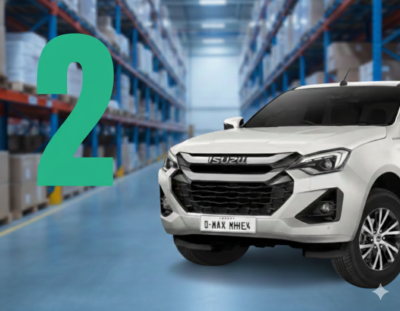
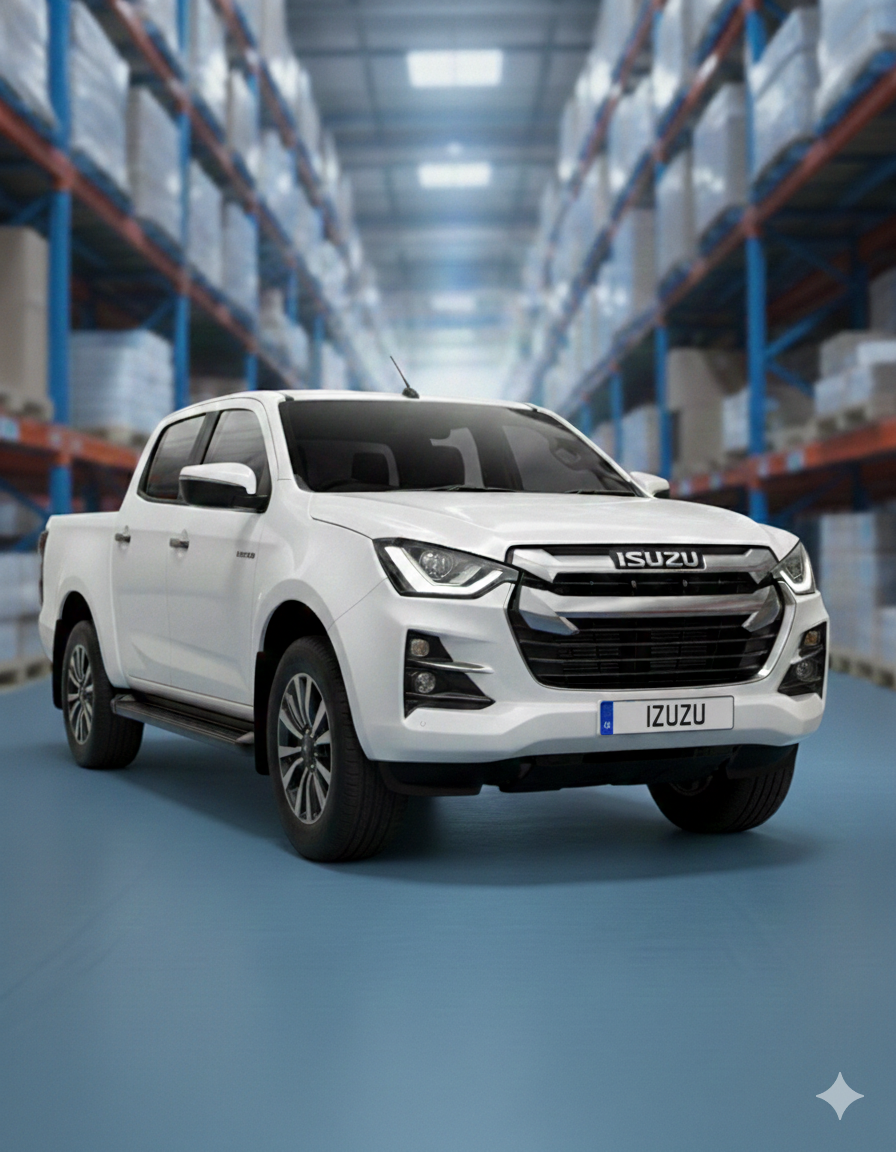
2. Isuzu D-Max EV: The High-Capacity Heavy Lifter
Isuzu is silencing critics who believe EVs can’t do “real” work. The D-Max EV is the first mainstream electric ute to maintain the heavy-duty specifications that Australian drivers demand for towing and hauling.
Maximum Utility: It retains a full 3.5-tonne braked towing capacity and a 1-tonne payload. This is achieved through a specialized ladder-frame chassis and a De Dion rear axle.
Drivetrain: A 66.9kWh lithium-ion battery powers dual motors producing 140kW/325Nm, delivered via a full-time 4WD system.
Range: It offers an estimated 263km (WLTP) range. To ensure battery longevity under heavy loads, DC charging is capped at 50kW, taking approximately 60 minutes for a 20-80% charge.
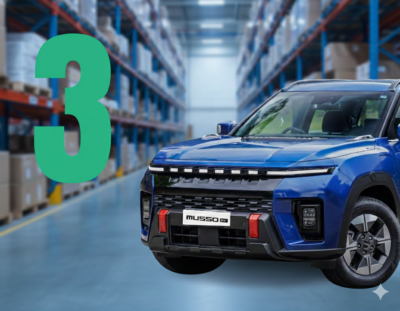
3. KGM Musso EV: The Premium Long-Range Lifestyle Ute
Formerly known as SsangYong, KGM is targeting the “lifestyle” and family buyer with the 2026 Musso EV. This model prioritizes cabin luxury and highway range over heavy-duty construction site work.
Class-Leading Range: The Musso EV stands out with a 380km+ WLTP range, making it the most viable option for longer regional trips.
Power & Speed: With a dual-motor setup producing 304kW, it is significantly more powerful than its rivals. It also supports 120kW fast charging, reaching 80% capacity in just over 30 minutes.
Premium Comfort: The interior features ventilated Nappa leather seats and a multi-link rear suspension for a car-like ride. However, this limits its work specs to an 1,800kg towing capacity and a 690kg payload.
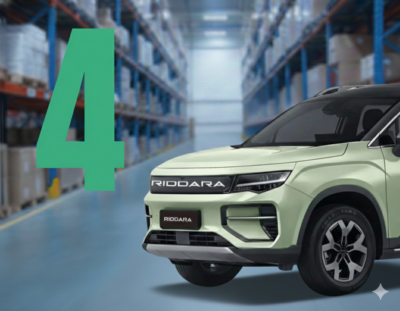
4. Geely Riddara RD6 Pro: The High-Performance Tech Enthusiast
While the Musso EV focuses on long-range regional touring, the Riddara RD6 (from the same parent company as Volvo and Polestar) is positioned as the “sports car” of the electric ute world. Built on a dedicated EV car platform rather than a truck frame, it prioritizes rapid acceleration and urban agility.
Scintillating Performance: The 4WD Pro variant is the current speed king of the segment, hitting 0–100 km/h in just 4.5 seconds—faster than many dedicated performance cars.
Mobile Power Hub: It features a class-leading 6 kW Vehicle-to-Load (V2L) system with multiple 240V sockets in the tray. It can power high-draw equipment like coffee machines or heavy-duty power tools simultaneously, even while the vehicle is being driven.
The Best of Both Worlds: Despite its SUV-like handling and independent rear suspension, it doesn’t sacrifice utility. It maintains a 1,030 kg payload and a 3,000 kg towing capacity, while offering unique storage solutions like a 70L frunk (front trunk) and hidden compartments under the rear seats.
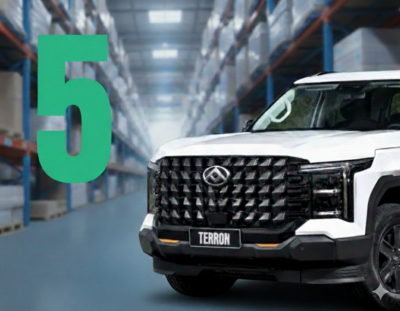
5. LDV Terron 9: The Powerhouse Successor
The all-new LDV Terron 9 marks a significant step up from the eT60 and T60 range, moving away from “simple conversion” territory into a purpose-built, larger-than-life contender. Positioned between traditional mid-size utes and American pick-ups, it’s designed for those who need more muscle and modern tech without the premium price tag of established rivals.
Class-Leading Diesel Power: Replacing the smaller 2.0L units of the past, the Terron 9 features a potent 2.5L turbo-diesel engine delivering 163kW and a massive 520Nm of torque. This makes it one of the most powerful four-cylinder diesel utes in Australia, offering effortless overtaking and towing performance.
Heavy-Duty Capability: Finally matching the “gold standard” of the segment, the Terron 9 boasts a 3,500kg braked towing capacity and a payload exceeding 1,000kg (one-tonne) on most grades. Whether you’re hauling site gear or a large caravan, it has the GCM to handle the job.
Premium Tech & Space: The “workhorse” interior has been swapped for a high-tech cockpit featuring dual 12.3-inch widescreen displays and wireless smartphone integration. Because it’s roughly 100mm wider and longer than the T60, it offers a noticeably more spacious cabin and one of the largest trays in its class, measuring 1,600mm x 1,600mm.
The Future of the Australian Dual-Cab
The emerging electric ute market is no longer a “one-size-fits-all” category. Buyers now have the luxury of choosing a vehicle based on their specific needs—whether that is the uncompromising towing of the Isuzu D-Max EV, the tool-powering convenience of the Toyota HiLux EV, or the long-distance comfort of the KGM Musso EV.
Electrification isn’t taking away the “big, cool cars” Australians love; it’s simply making them more efficient, more technologically advanced, and a whole lot quieter.