
For years, the Australian conversation around Electric Vehicles (EVs) has been stuck on a single, misleading data point: the sticker shock of the showroom floor. But as we move into 2026, the economic reality has fundamentally shifted. For the savvy professional, the question is no longer, “Can I afford an EV?” but “Can I afford to keep driving an internal combustion engine (ICE) vehicle?”
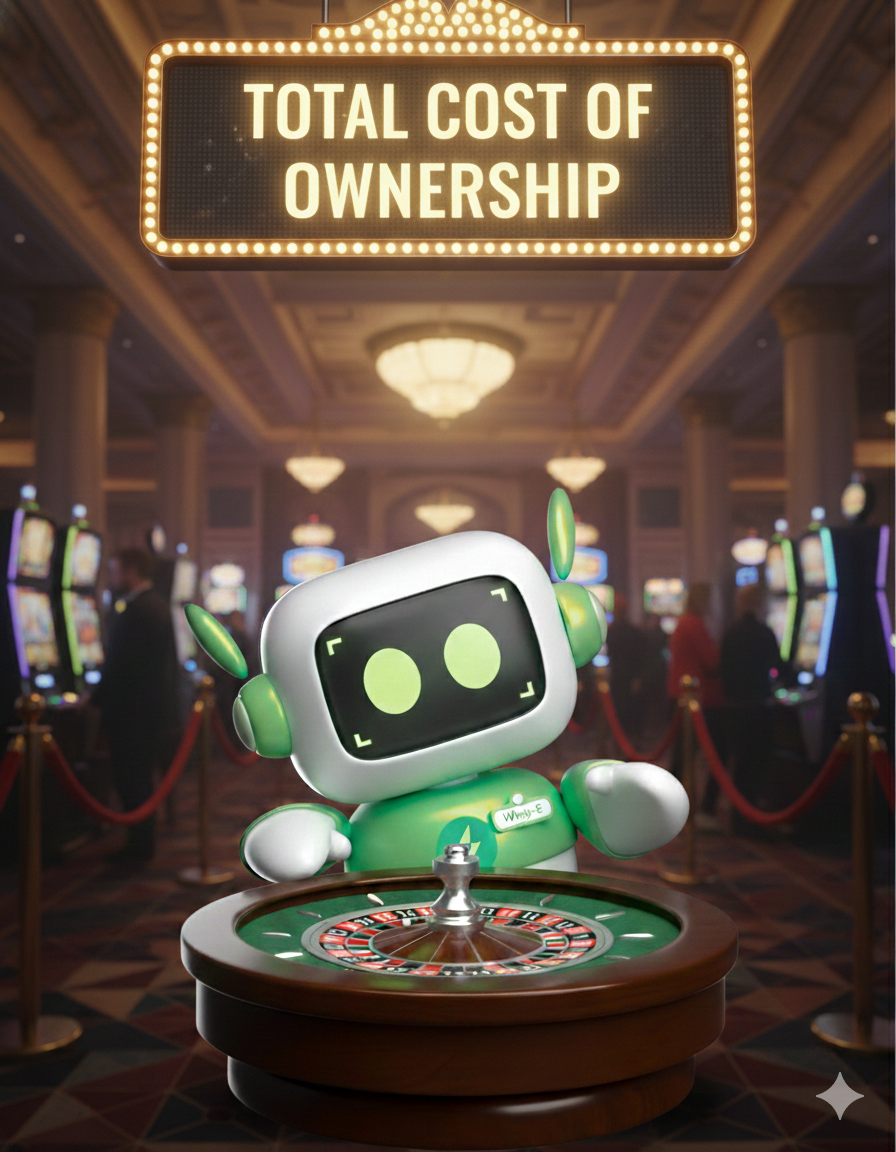
The answer lies in Total Cost of Ownership (TCO).

The Myth of the Depreciation Cliff
Current market data from February 2026 has officially debunked the myth that EVs are a bad investment. In a surprising reversal, new reports show that after one year of ownership, EVs now retain approximately 84.5% of their value. To put that in perspective, they are now outperforming light-commercial utes (72% retention) and traditional SUVs (67.5% retention).
The inner-city early adopter phase has matured into a stable secondary market. Buyers are increasingly seeing the value in used EVs, especially as battery reporting becomes more standardised and transparent.
The TCO Advantage: A $34,000 Delta
When you look past the purchase price, the financial gap between ICE and EV is staggering. In the commercial and fleet space, often the bellwether for consumer trends, the TCO for an electric ute like the Ford F-150 Lightning is now calculated to be over $34,000 cheaper than its ICE equivalent over a four-year period.
This isn’t just about saving on petrol. The TCO advantage is a tripartite of savings:
- Fuel Parity: With electricity for managed charging being three to five times cheaper per kilometer than $2.00/L petrol, the daily commute essentially pays for the car over time.
- Maintenance Logic: EVs have fewer moving parts, no oil changes, and reduced brake wear thanks to regenerative braking. Studies show maintenance expenses are roughly 40% lower than ICE equivalents.
- The “Musk Factor” and Choice: While personal opinions on brand figureheads vary, the sheer volume of choice has exploded. Australia now has over 150 EV and PHEV models available, with entry prices for mid-sized SUVs finally dropping below $50,000 drive-away.

The Jump to Novated Lease
For professionals in high-income brackets, the TCO story is even more compelling through a novated lease. Due to current federal policy, eligible EVs under the $91,387 Luxury Car Tax threshold remain exempt from Fringe Benefits Tax (FBT).
This isn’t just a minor deduction. It can reduce the effective cost of a lease by $10,000 to $20,000 over its term. By packaging the car’s running costs, like insurance, registration, and charging, into a single pre-tax payment, the “hidden” costs of ownership are not just managed; they are tax-subsidized.
The Bottom Line
The 2026 driver is a cautious pragmatist. They aren’t buying for the environment alone anymore; they are buying for the bank account. As the New Vehicle Efficiency Standard (NVES) begins to put structural price pressure on high-emission vehicles, the ICE as a safe bet is becoming a liability.
Total Cost of Ownership isn’t just a spreadsheet exercise; it’s the future of how Australians move. If you’re still looking at the sticker price, you’re looking at the wrong number.