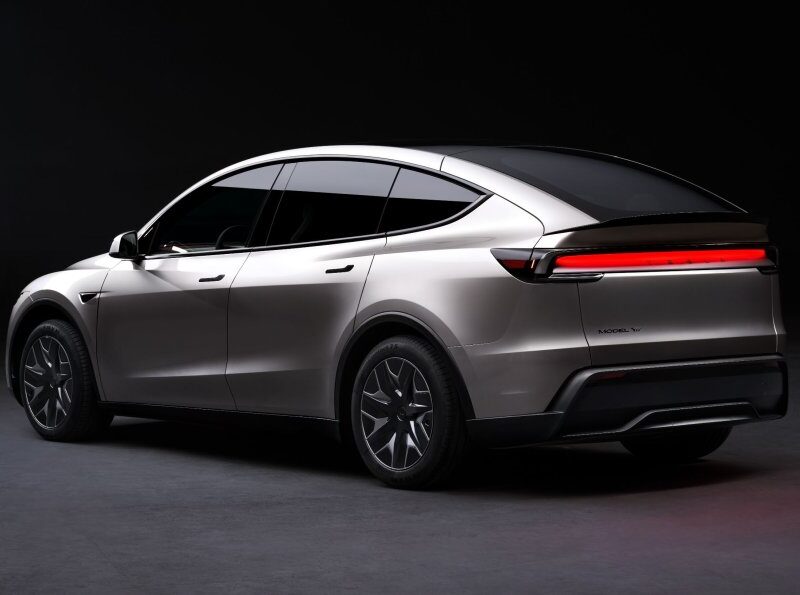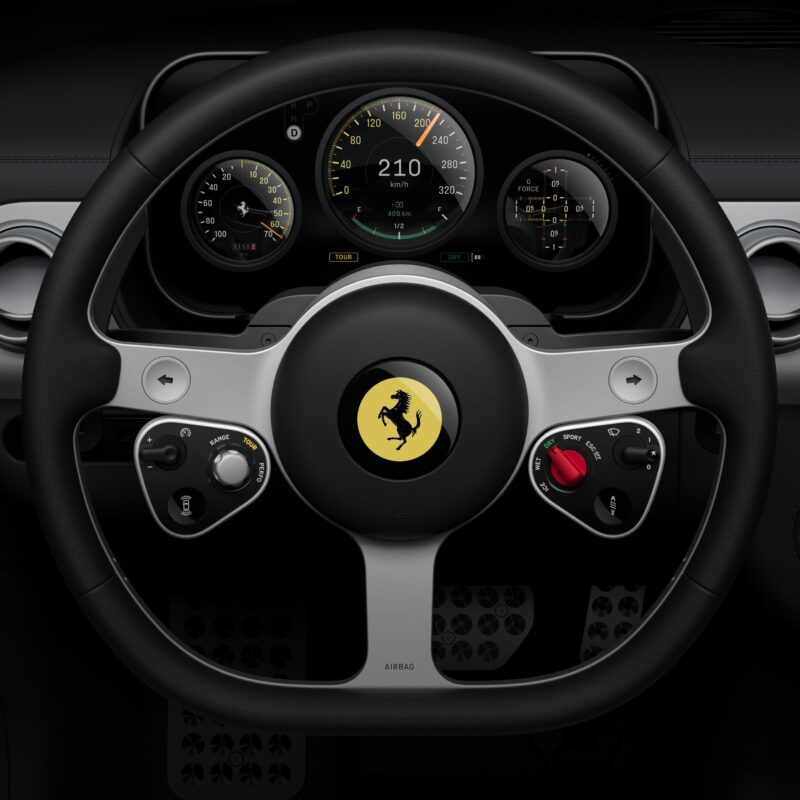

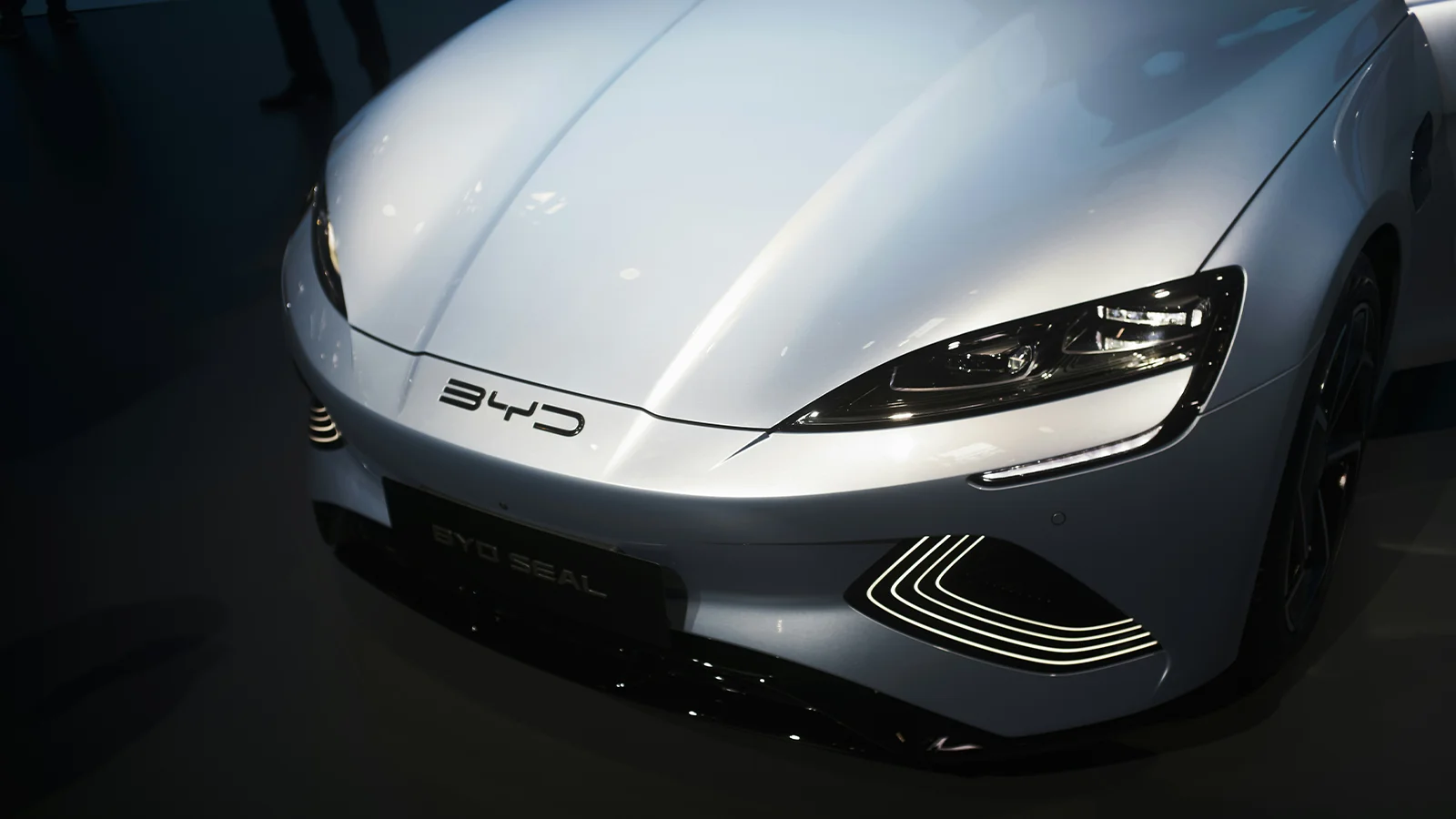
China. China. China.
Saying ‘China’ is no longer just a macroeconomic buzzword for mass manufacturing. As we enter a new era of electric vehicle technology, the global automotive supply chain is shifting its center of gravity. Even legacy giants like Volkswagen, long the benchmark for German engineering, are now leveraging Chinese innovation to build their next generation of cars. With advanced models like the VW ID. UNYX 07 and the ID. UNYX 08 rolling off assembly lines in Hefei, the industry is at a crossroads. For the modern driver, the question isn’t just about cost; it is about whether this shift actually delivers a superior product.
The short, very direct, and honest answer is: No.
And we are going to tell you why.
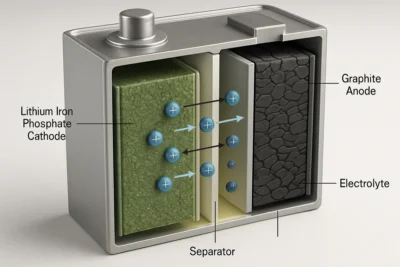 A Lithium Iron Phosphate Battery
 The Myth of Budget Chemistry
The primary argument against Chinese batteries is that Lithium Iron Phosphate (LFP) is just a cheap alternative to the better Nickel Manganese Cobalt (NMC) batteries used by premium Western brands. This narrative completely ignores the inherent engineering advantages of the chemistry. LFP is naturally more stable because it does not release oxygen at high temperatures, which makes it significantly safer and virtually immune to the thermal runaway risks that plague nickel-heavy packs. Furthermore, these batteries offer a superior cycle life, allowing drivers to charge to 100 percent daily without the rapid capacity degradation seen in expensive ternary batteries.
Structural Innovation: The Blade Revolution
Critics often claim that China simply has cheaper labor and raw materials to explain their lower price points. However, the true disproof lies in structural efficiency rather than labor costs. BYD’s Blade Battery and CATL’s Cell-to-Pack (CTP) technology represent a fundamental rethink of vehicle architecture by removing the dead weight of traditional modules, internal wiring, and heavy housing. By making the battery cells themselves structural parts of the car, manufacturers have increased volumetric energy density by 50 percent to 60 percent. This allows for a lighter, more compact vehicle without changing the cost of the raw materials involved.
Closing the Cold Weather and Charging Gap
Another common argument is that cheap batteries fail in the cold and charge too slowly to be practical. Recent breakthroughs like the CATL Shenxing Pro disprove this entirely. This LFP battery can gain 400 kilometers of range in just 10 minutes and maintains exceptional performance even in bone-chilling temperatures as low as -20°C. Further innovations in sodium-ion technology, such as the Naxtra battery, can even charge from 30 percent to 80 percent in 30 minutes at -30°C. This level of performance is not the result of being cheap; it is the result of world-leading research and development that outpaces the current infrastructure of the West.
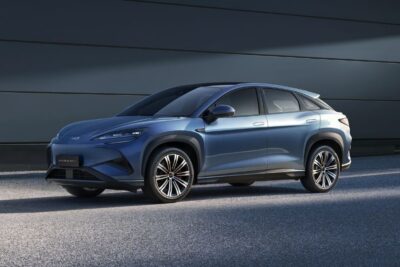 BYD Sealion 7 – Built in China
 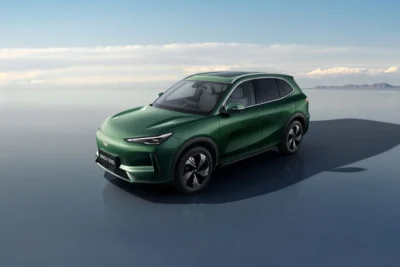 Geely EX5 – Made in China
 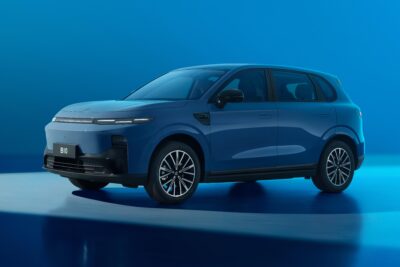 Leapmotor B10 – Made in China
 The Strategic Golden Share
The conclusion for the modern consumer is clear: this is not a race to the bottom on price, but a race to the top on manufacturing scale and vertical integration. Chinese battery giants are not simply producing cheap goods; they are producing optimised technology. By eliminating expensive and controversial materials like cobalt and nickel, they have created a more sustainable and recyclable product that outlasts traditional alternatives. The transition of the global supply chain to China is a reflection of a market that has moved faster from the lab to the assembly line than any other in history.
Uncompromising Safety Standards
Cheaper does not come with an absence of safety, and Chinese-produced batteries are now some of the safest in the world. New regulatory standards like GB38031-2025 mandate that battery packs must not catch fire or explode even during a total thermal runaway event. Advanced safety tests, such as the rigorous nail penetration test, demonstrate the superiority of this tech. While traditional batteries often smoke or ignite when punctured, the BYD Blade Battery surface temperature remains between 30°C and 60°C with no open flames.
- BYD Blade Battery: Passed nail penetration without smoke or fire.
- CATL NP 3.0 Technology: Ensures no propagation of heat between cells for over an hour.
- Sodium-ion Cells: Survived drilling and sawing while fully charged with zero combustion.
The Verdict: Performance Over Perception
The global shift toward Chinese battery technology is not a compromise on quality but a recognition of a new industrial gold standard. For decades, the automotive industry relied on complex mechanical engineering to define value, but the electric era is defined by chemistry and structural efficiency. By choosing vehicles powered by these innovations, consumers are moving toward a future that prioritises longevity, rapid charging, and safety over outdated brand prestige. The reality is that the most affordable battery on the market is now, in many ways, the most advanced.