
Ferrari pulled the silk sheet off the Luce and the automotive world went quiet. Not the reverent, jaw-dropping quiet of a V12 firing at dawn. The confused, slightly awkward quiet of a room that expected something else entirely.
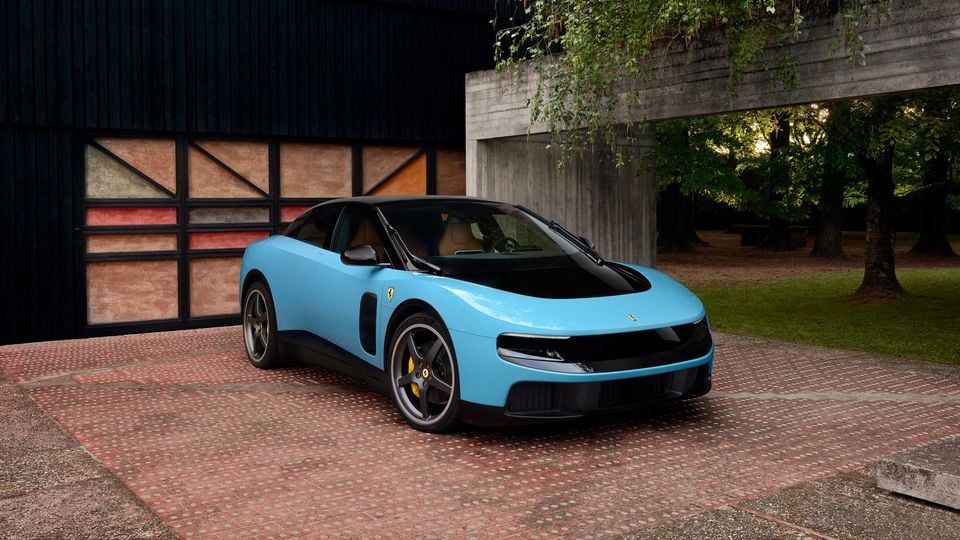
The Luce is a five-seat, quad-motor super sedan co-designed by Jony Ive’s firm LoveFrom. It ditches Ferrari’s iconic, muscle-and-romance proportions for an ultra-minimalist, slab-fronted silhouette. It looks less like a Maranello thoroughbred and more like a very expensive kitchen appliance.
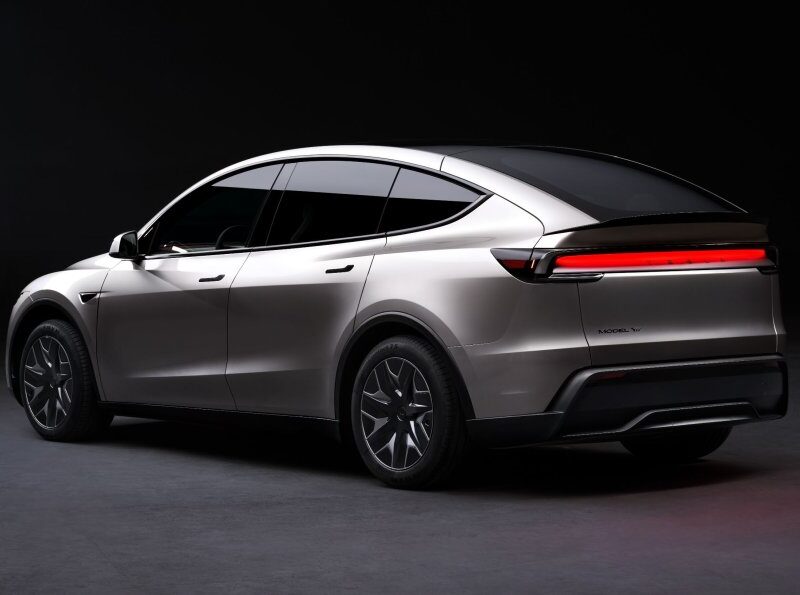
And here is where it gets genuinely wild. Rumoured to land in Australia at over $1,000,000 AUD, it can barely edge out the Tesla Model Y Performance on the one metric that matters most for daily EV drivers: real-world range.
Ferrari did not just build an electric car. They accidentally revealed how brutal the EV era is going to be for legacy prestige brands.
The Badge Has Always Done the Heavy Lifting
 The Logo of Luxury?
 To understand why the Luce is such a strange moment, you need to understand what Ferrari actually sold for the past 75 years.
It was never really about the car. It was about what the car represented. The engine note that rewired your nervous system. The shape that looked like it was doing 200 km/h standing still. The sense that a genuine engineering obsession lived under that hood, and that obsession had a price.
Ferrari buyers were not paying for transport. They were paying for an emotion that no other object on earth could replicate. A Porsche was brilliant. A Lamborghini was theatrical. A Ferrari was a religion.
That emotional contract held up perfectly as long as the engine stayed. The moment you go electric, the contract needs renegotiating. And the Luce suggests Ferrari has not quite worked out the new terms yet.
The Numbers That Should Embarrass Someone in Maranello
 The Old Reliable
 The Luce hits 100 km/h in 2.5 seconds. It makes 1,026 horsepower from four electric motors. That part is legitimately astonishing and nobody is taking it away from them.
But it needs a 122 kWh battery pack weighing 630 kg to get there. The result is a 2,260 kg car claiming 530 km of WLTP range.
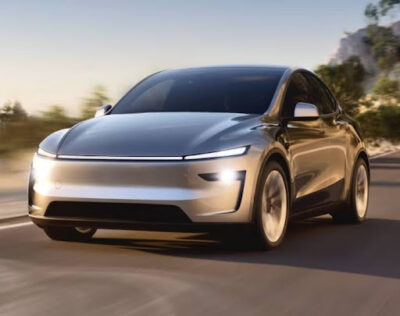
A Tesla Model Y Performance does 514 km. From a 79 kWh pack. Weighing roughly 450 kg less.
Ferrari spent a million dollars of your money using brute-force battery size to match range numbers that Tesla solved years ago with lighter, more efficient engineering. Do the maths.
That range figure deserves a second look. Ferrari had access to the best engineers, the biggest budgets, and a clean-sheet design with no compromises. The result is 16 extra kilometres of range over a family SUV that costs eleven times less. In the EV world, efficiency is the scorecard. And on that scorecard, Ferrari is not winning.
The Identity Crisis No Badge Can Fix
 First Design Draft (Assumed)
 Here is the uncomfortable truth Ferrari is trying to avoid.
A Ferrari’s shape was never just design. It was dictated by physics. A screaming engine block sitting up front forced a long hood. A tight, muscular rear deck wrapped around the exhaust. The cabin sat well back. Every curve had a mechanical reason. The form followed the soul.
Electric motors sit flat in the floor. There is no engine to design around. So Ferrari pushed the cabin forward, raised the ride height to protect the battery, stretched a panoramic windshield almost over the front wheels, and landed somewhere firmly in crossover territory.
The Luce and the Model Y now share the same fundamental architecture. Five seats. High ride height. Flat floor. Similar range. One costs $92,000. The other costs eleven times that. When the engineering basis is identical, the badge has to carry an enormous amount of weight.
The question Ferrari cannot quite answer yet is whether it can.
The Clever Stuff That Misses the Point
 That Interior Though…
 To fill the emotional gap left by the missing engine, Ferrari got creative.
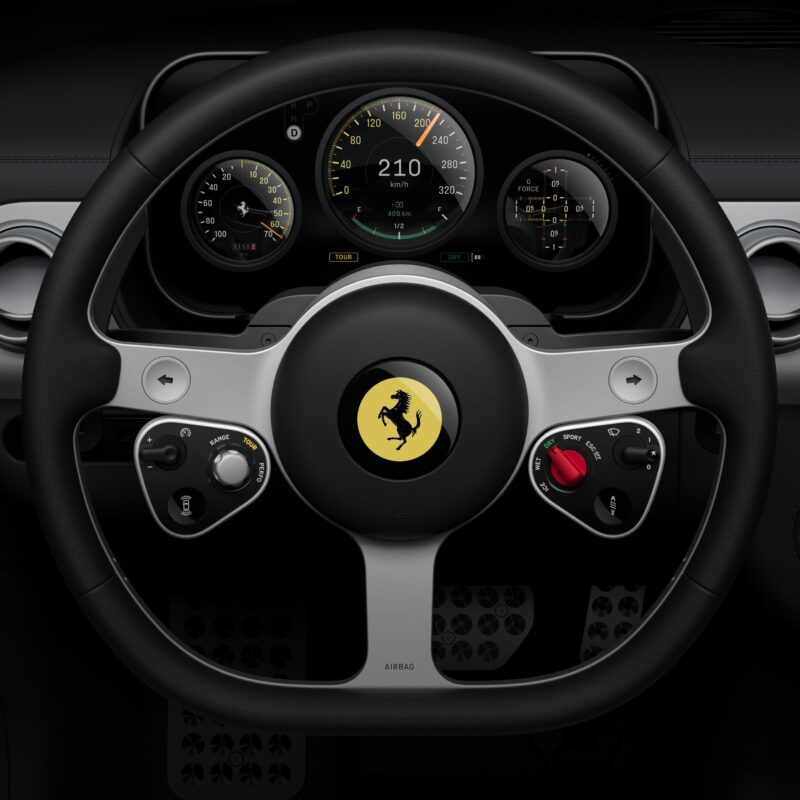
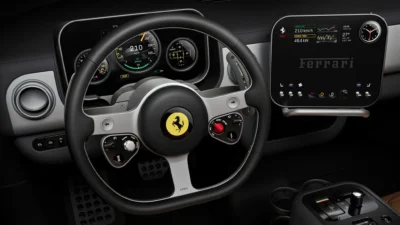
They built an acoustic system that captures real physical vibrations from the electric drivetrain and pipes them through the cabin speakers like a guitar pickup amplifying string resonance. The dual-layered Samsung OLED dashboard has mechanical gauge hands sweeping between digital displays. There is a haptic feedback system in the steering wheel that pulses with the torque delivery.
It is genuinely impressive engineering and credit where it is due.
But it is also engineering that exists entirely to replicate feelings the car cannot generate on its own. A petrol Ferrari does not need a speaker to sound like a Ferrari. It does not need haptic feedback to make you feel the road. The real thing simply does it. Natively. Viscerally. Without trying.
When a brand has to work this hard to recreate its own identity, that is a signal worth paying attention to.
So Who Actually Buys This Thing?
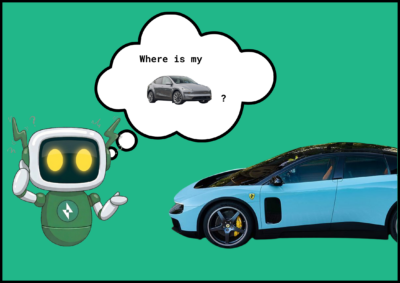 Even Whip-E Agrees
 Ferrari will sell every single Luce they build. That part is not in question. At this price point, buyers are not cross-shopping at a Tesla dealership on Saturday morning. They are buying a collectible. A statement. A conversation piece that lives next to a 296 GTB in a climate-controlled garage in Toorak.
For that buyer, the range figures and the battery weight are irrelevant. They have a separate daily driver. They have a charging solution. They are not worried about value per kilometre.
But that buyer is not the story of the EV era. They never were.
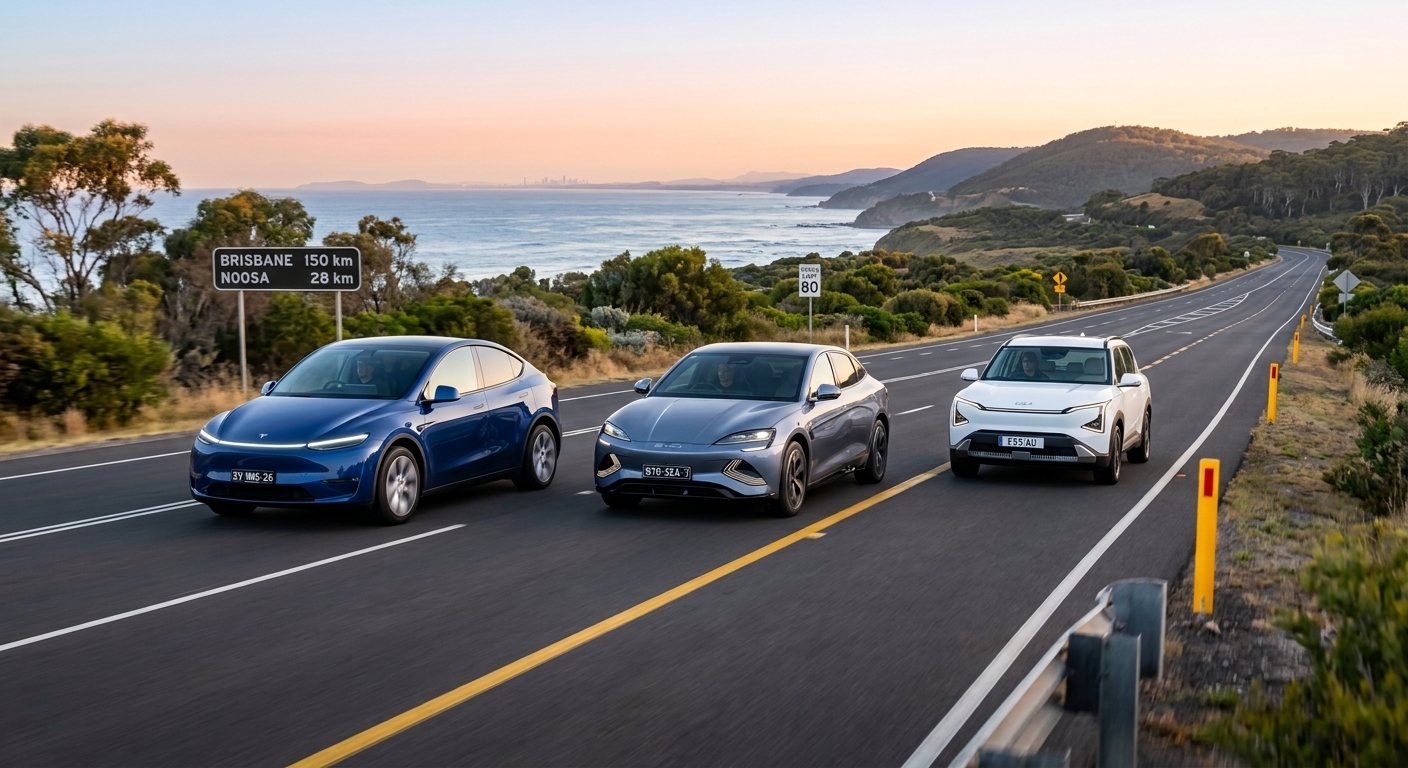
The story of the EV era is the 38-year-old project manager in Brisbane who just realised her $85,000 salary can get her into a brand new Tesla Model Y through salary packaging, paying for it from pre-tax income, with zero FBT, for less than $150 a week out of pocket. That is the shift that is actually reshaping Australian roads right now. Not the million-dollar crossover from Maranello. We’re talking about the WhipSmart dream.
What This Actually Tells Us About the EV Transition
The Luce is important precisely because it is uncomfortable. It proves that even the most prestigious automotive brand on earth cannot escape the physics of electrification. The battery goes flat in the floor. The cabin goes forward. The ride height goes up. The shape becomes a crossover. Every brand building an EV ends up at the same starting point.
From there, the only differentiation left is software, thermal management, charging infrastructure, and efficiency. Tesla spent fifteen years building advantages in all four. Ferrari spent fifteen years building advantages in combustion. Those advantages no longer apply.
Legacy prestige cannot rewrite the laws of physics. The Luce is beautiful proof of that.
What the Electric Future Actually Looks Like
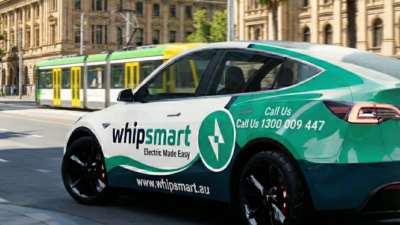 It Looks Like WhipSmart
 The prancing horse is still beautiful. The Luce will find its buyers and its garage space and its place in automotive history as the car that asked Ferrari’s hardest question.
But if you want to understand what driving electric actually feels like for most Australians, it looks a lot more like a Model Y. Same range. Same five seats. Same flat floor. A fraction of the weight. And through a novated lease with WhipSmart, a tax-free drive away from under $150 a week out of pocket on an $85,000 salary.
Ferrari is testing how much their badge is worth in a silent, electric world where practical tech already set the benchmark years ago.
The numbers do not lie. They never do.
Get your EV lease quote at whip-smart.net.