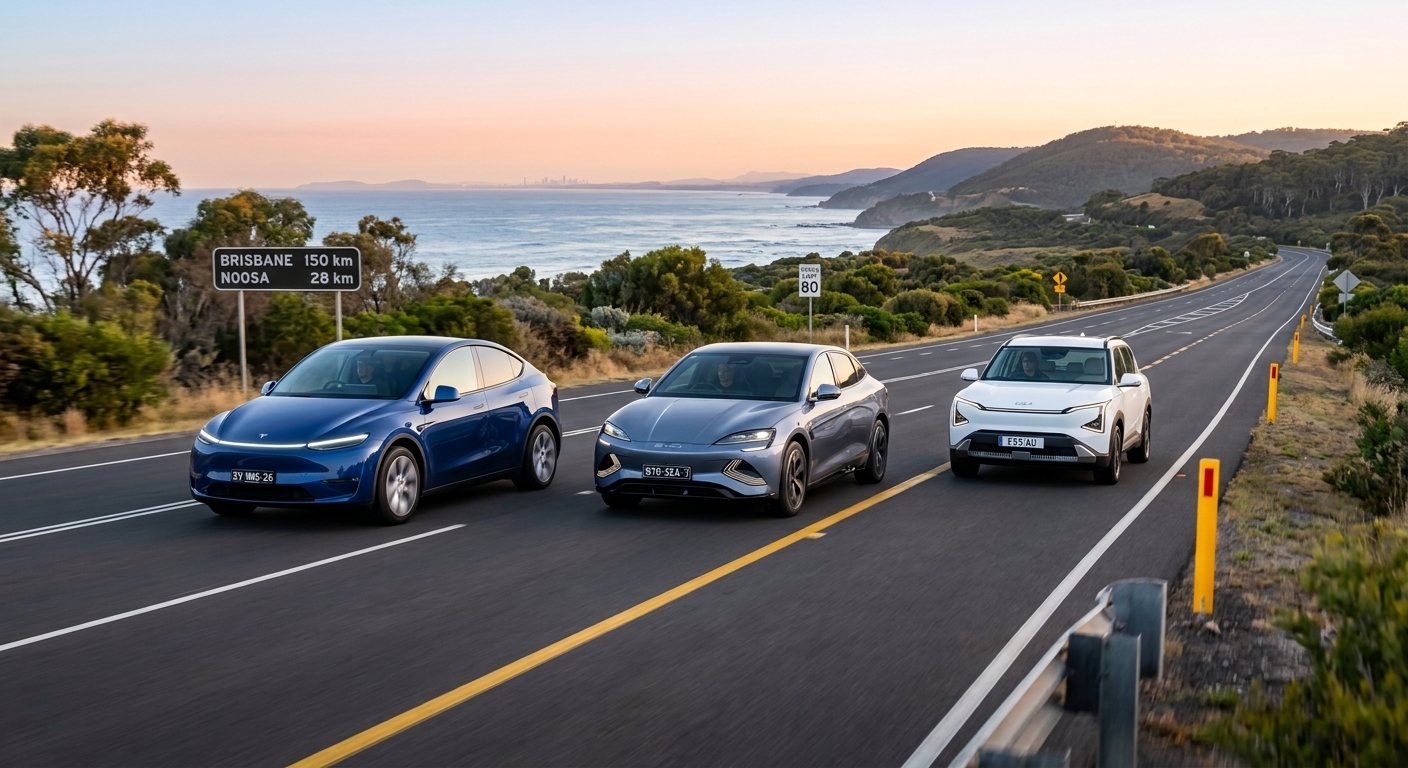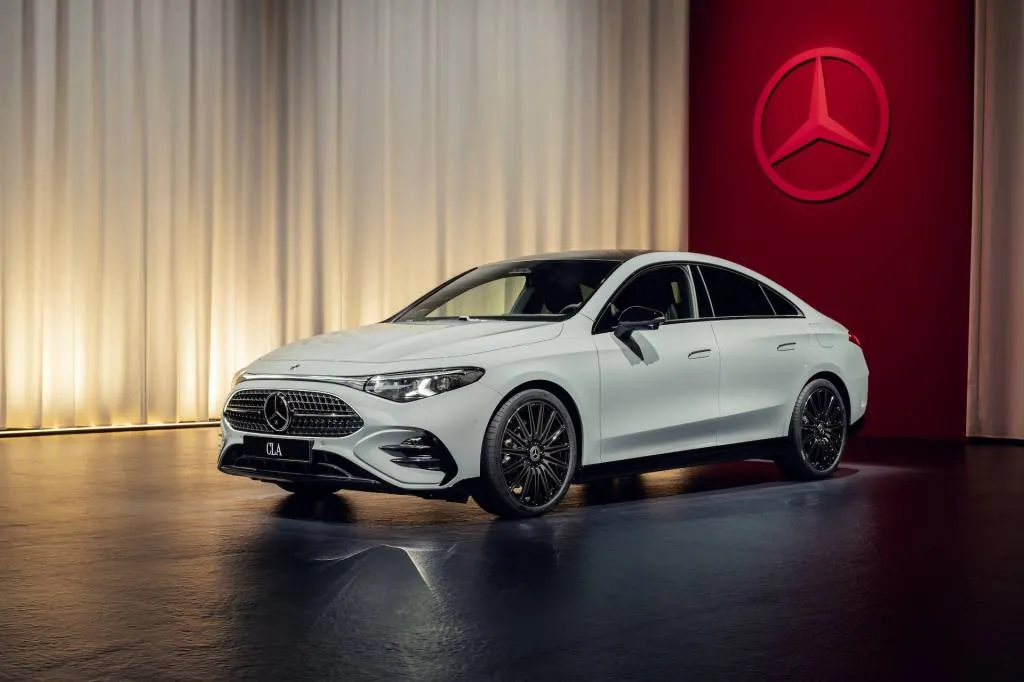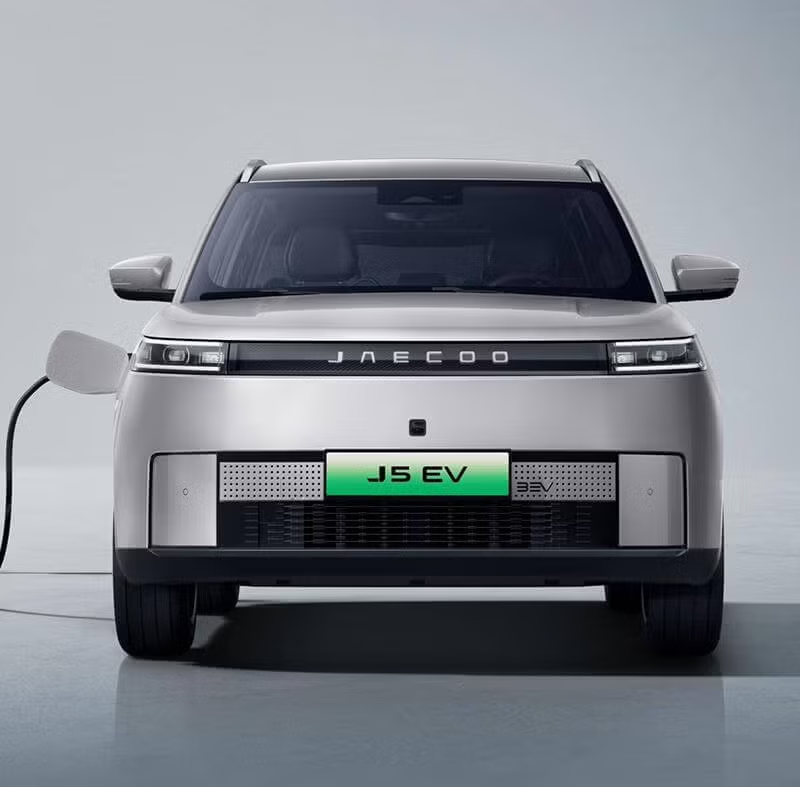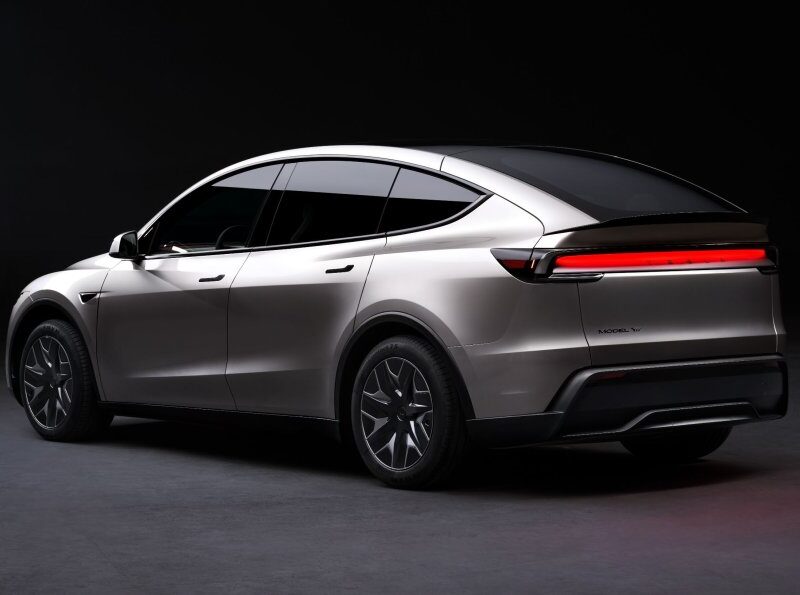

If you think the golden era of tax-free driving is over just because the government is shifting the goalposts, you’re missing the bigger picture. It’s true that the recent news the government reduces electric vehicle fringe benefits has sparked some “tax bill” anxiety across Australia. However, the reality is far more optimistic for savvy drivers who know where to look. While the full FBT exemption is evolving into a tiered discount system, the window to maximise your savings is still wide open.
We know the ATO jargon can be a headache. You want to know if that Tesla Model Y or BYD still makes sense for your salary packaging without a surprise debt at tax time. We’re here to clear the air and show you exactly how a novated lease remains your smartest financial move. We’ll help you navigate the 2026 federal shifts and keep your savings at their absolute peak. This guide breaks down the confirmed A$91,661 luxury car tax threshold, lists the models that still qualify for the best perks, and explains why locking in a lease now is your best shield against future changes.
Key Takeaways on FBT
- Understand the three-stage FBT phase-out. Secure your full exemption before the April 2027 shift to keep your tax savings at their peak.
- Navigate the updated A$91,661 Luxury Car Tax (LCT) threshold. Ensure your next EV qualifies for maximum tax effectiveness under the 2026 rules.
- Discover why news that the government reduces electric vehicle fringe benefits doesn’t mean the end of savings, especially with a savvy novated lease strategy.
- Compare the math of leasing versus buying. See how GST savings and packaged running costs still beat traditional finance in the current market.
- Future-proof your drive. Learn which 2026 electric utes and SUVs sit comfortably under the new limits to maximise your take-home pay.
Decoding the 2026 EV Fringe Benefits Tax Landscape
Is your take-home pay working as hard as it could? For thousands of Australians, the answer has been a resounding “yes” thanks to the Electric Vehicle Discount Act. But as we move through 2026, the landscape is shifting. It is a common misconception that the government is pulling the plug on incentives. In reality, we are seeing a strategic refining of eligibility designed to keep the “fair go” alive for middle-market drivers. While some headlines suggest the government reduces electric vehicle fringe benefits, the core of the incentive remains the single most powerful tool for slashing your taxable income.
The 2026 version of the policy is all about precision. The initial “wild west” phase of the exemption was designed to kickstart adoption at any cost. Now, the focus has moved toward making zero-emission transport accessible for everyday families rather than just subsidising high-end luxury. By keeping the Luxury Car Tax (LCT) threshold for fuel-efficient vehicles at A$91,661 for the 2026-27 financial year, the ATO is effectively drawing a line in the sand. If your car sits under that cap, the tax-saving potential is still massive. This evolution is a natural part of Australian electric vehicle policies, ensuring the transition to a cleaner fleet is both sustainable for the budget and effective for the driver.
Why “Fringe Benefits” Matter to Your Take-Home Pay
If you’re new to salary packaging, Fringe Benefits Tax (FBT) is usually a 47% tax applied to perks provided by your employer. Normally, a company car is a massive tax headache. The EV exemption flips this on its head. By removing that 47% tax, high-income earners can effectively nearly double their buying power on a new car. Under the 2026 ATO guidelines, the FBT exemption applies to eligible battery electric with a retail value below the fuel-efficient luxury car tax threshold that were first held and used on or after 1 July 2022. It’s a simple, legal shortcut to a cheaper car and a higher bank balance.
The 2026 Eligibility Test: Which EVs Still Qualify?
What is the magic number for your next car? For part the 2026-27 financial year, the ATO has confirmed the Luxury Car Tax (LCT) threshold for fuel-efficient vehicles (and FBT-exemption) is A$91,661. This figure is the ultimate gatekeeper for your tax savings. If your EV’s retail price, including GST and dealer delivery (but not on-road costs ie. rego and stamp duty), sits even a dollar above this, you lose access to the full FBT exemption. This is where the talk about how the government reduces electric vehicle fringe benefits becomes real. It isn’t a total removal of perks, but a tightening of the belt for premium buyers.
You don’t need to buy brand new to win. The “held and used” rule allows second-hand EVs to qualify for the same tax breaks, provided the car was first owned and used on or after 1 July 2022. This opens the door for savvy shoppers to pick up a used Tesla or BYD and still enjoy zero FBT on the lease. The best part? It is an all-in-one win. Your registration, insurance, tyres, and even home charging costs are wrapped into the same FBT-exempt bundle. This creates a massive hedge against inflation that traditional car ownership simply cannot match. But if the vehicle ever had luxury car tax applied, then it is inelligble for FBT-exemption.
But after 31 March 2027, the limit drops!
The FBT-Exemption Threshold: The Magic Number from 1 April 2027
From 1 April, the FBT base value for vehicles elible for the FBT exemption will drop to $75,000 in GST or approx $78,000 drive away including onroad costs. Working with a specialist like WhipSmart ensures you stay on the right side of the line before you commit to a specific build.
Reportable Fringe Benefits and Your Tax Return
While you don’t pay FBT, the value of the benefit is “reported” on your payment summary. This Reportable Fringe Benefit Amount (RFBA) doesn’t increase your income tax, but it does count toward HECS/HELP repayments and the Medicare Levy Surcharge. It is a transparency measure from the ATO. Even with this reporting, the savings remain superior. The 47% tax saving on the car’s running costs usually leaves you thousands of dollars ahead every year compared to paying with post-tax cash from your bank account. It is about being smart with the numbers you can control.

Get ready for the Electric Life with a novated lease on an EV.
Leasing vs. Buying: Why the Math Still Favours the Lease
Are you still considering a traditional car loan for your next EV? While a personal car loan might seem straightforward, it often leaves thousands of dollars on the table. Even as the government reduces electric vehicle fringe benefits for certain segments, the financial gap between a private purchase and a novated lease remains massive. The secret lies in how you pay. Buying a car with post-tax cash means the taxman has already taken his slice of your salary. A lease lets you pay before he gets a look-in.
Think of a novated lease as a smart bypass for your income tax. By using your pre-tax salary, you effectively lower your taxable income. This means you aren’t just saving on the car; you’re paying less tax overall. When you factor in the 2026-27 Luxury Car Tax threshold of A$91,661, the savings on a qualifying vehicle can equate to a significant pay rise. Plus, you avoid the heavy interest rates often associated with standard consumer finance. It’s about keeping more of your hard-earned dollars in your own pocket.
GST Savings: The Hidden 10% Discount
Why pay GST if you don’t have to? When you purchase an EV through a novated lease, your employer can usually claim back the 10% GST on the purchase price. This saving is passed directly to you. On a A$60,000 vehicle, that is an immediate A$6,000 reduction in the amount you actually finance. But the wins don’t stop at the showroom. You also save the GST on every tyre change, service, and even your electricity costs. It is a persistent discount that private buyers simply cannot access.
The “Running Cost” Hedge Against Surprise Costs
Managing a household budget in 2026 is a balancing act. Between fluctuating insurance premiums and rising electricity prices, car ownership can be unpredictable. A novated lease provides a sanctuary of stability. By bundling your registration, insurance, and charging costs into one flat, pre-tax monthly payment, you create a savings account of funds available when those vehicle costs come knocking. You aren’t just buying a car; you’re securing a predictable, all-inclusive lifestyle. Even as the government reduces electric vehicle fringe benefits for high-end models, the ability to package these running costs remains a bulletproof strategy for the smart Aussie driver.
What about the “balloon” at the end? Many fear the residual value payment, but it is actually a strategic advantage. It keeps your monthly payments low during the lease term. At the end, you can choose to pay it out, refinance, or trade the car in for a newer model. If the car is worth more than the residual, which many EVs are, that profit is yours to keep, tax-free. It’s the ultimate exit strategy for a modern asset.
Strategic Shopping: Maximising Savings Under the New Rules
Are you ready to outsmart the system? While some headlines suggest the government reduces electric vehicle fringe benefits, the reality is that the best deals are simply hiding in plain sight. Strategic shopping in 2026 is about more than just picking a colour; it is about staying under that A$91,661 ceiling while maximising your utility. This year, the Tesla Model Y continues to dominate the charts, but the real story is the surge of the electric ute. For tradies and business owners, 2026 is the year the “workhorse” finally goes silent and tax-free.
Timing your entry is just as vital as the car you choose. With the current full FBT exemption scheduled to transition in March 2027, locking in a lease now ensures you stay in Phase 1 for as long as possible. This is your window to secure a high-spec vehicle before the eligibility criteria tighten further. By starting your lease mid-year, you can immediately begin slashing your taxable income, effectively giving yourself a pay rise that compounds every single fortnight. It is the smartest shortcut to a better financial outcome.
Selecting the Right Model for the 2026 Threshold
Forget the old idea that luxury means a high price tag. In the current market, “mid-range” is the new peak of tax efficiency. Brands like BYD and MG are delivering high-spec tech and performance that sit comfortably below the A$91,661 LCT limit. To avoid the “LCT Trap”, you must be ruthless with your options list. A set of performance wheels or a premium interior package might feel like a minor upgrade; however, if they push your total price over the limit, the tax consequences are massive. Keep the base price lean and enjoy the tax-free ride.
Charging Reimbursements: The New Frontier
How do you get paid to charge at home? The ATO has provided a clear path with a 4.2 cents per kilometre reimbursement rate for home charging. This is a game-changer for your monthly budget. By integrating a smart charger into your novated lease package, you can track every electron with precision. This data does more than just help with your tax return. It ensures you are fully reimbursed for the power you use to get to work, creating a seamless, all-in-one management of your running costs. It is the relief of simplicity in an increasingly complex world.
Choosing between home and public charging doesn’t have to be a headache. Most savvy drivers use a hybrid approach. Home charging provides the convenience of a full “tank” every morning at the 4.2c rate, while public charging costs are simply packaged into your pre-tax lease payments. You never have to reach for your own wallet at the plug again. This level of methodical organisation is what separates the average driver from the savvy EV owner.
Future-Proof Your Drive with WhipSmart’s Savvy Finance
Why settle for a finance company that still has one foot in the petrol age? Most legacy banks and lenders are generalists. They don’t live and breathe the nuances of the 2026 tax shifts. At WhipSmart, we are exclusively EV-focused. We’ve done the hard work of decoding the ATO jargon and negotiating with dealers so you don’t have to. Even as the news that the government reduces electric vehicle fringe benefits for certain high-end segments circulates, our team is already three steps ahead. We ensure your lease is structured for maximum impact, keeping your take-home pay exactly where it belongs.
The transition from an old petrol guzzler to a silent, tax-effective EV is a major lifestyle upgrade. Our “Savvy Guide” approach means we handle the heavy lifting of the transition. We manage the employer negotiations, the complex paperwork, and the ongoing administration of your running costs. It is a clean break from the administrative headache of traditional car ownership. Whether you are an individual driver or managing a national fleet, our network ensures you get the best vehicle availability and the most intelligent finance structure available in Australia.
The WhipSmart Advantage: EV Experts Only
Getting EV advice from a traditional finance company is like asking a blacksmith to fix a smartphone. They lack the specialised knowledge required for this new era. We understand the specific charging requirements, the resale trends of different battery technologies, and the latest 2026 tax law updates. Our digital platform is built for speed and precision. You can generate a tailored quote in a few clicks, knowing the calculations are backed by industry-specific expertise. We are the methodical organisers who take care of the details while you enjoy the drive.
Ready to Run the Numbers?
It is time to see how much you could actually save. Our 2026 calculator provides a clear, transparent estimate of your potential tax benefits under the current rules. The process is simple, direct, and completely digital. We’ve distilled the entire experience into three easy steps: quote, approve, and drive. Don’t let the complexity of shifting regulations hold you back from a smarter financial choice. Organise your savvy EV quote with WhipSmart today and discover how to keep your savings at their absolute peak.
Drive Smarter with Australia’s EV Experts
The rules of the road for tax savings are evolving, but the core benefit remains clear: electric mobility is still the smartest financial move you can make. While news that the government reduces electric vehicle fringe benefits for high-end models has caused some confusion, savvy drivers know that the A$91,661 LCT threshold is the new target for maximum efficiency. By choosing the right model and packaging your running costs, you aren’t just saving on the car; you’re future-proofing your lifestyle against inflation.
WhipSmart is Australia’s dedicated EV finance specialist. We are 100% focused on electric mobility and possess deep expertise in the latest ATO tax rulings to ensure you never pay a cent more than you have to. We’ve done the heavy lifting so you can focus on the excitement of your new drive. It’s time to stop overpaying for your daily commute and start keeping more of your hard-earned salary.
Calculate your 2026 EV tax savings with a WhipSmart Novated Lease and join the thousands of Australians already enjoying a tax-free ride. Your savvy electric future starts right here.
Frequently Asked Questions
Does the FBT exemption still apply to electric cars in 2026?
Yes, the full FBT exemption remains active for eligible electric vehicles throughout 2026. This benefit is part of the first phase of the federal government’s incentive plan, which is scheduled to run until 31 March 2027. After this date, the rules shift toward a reduced maximum vehicle value.
What is the Luxury Car Tax threshold for EVs in 2026?
The Luxury Car Tax (LCT) threshold for fuel-efficient vehicles for the 2026-27 financial year is A$91,661. This figure is the ultimate gatekeeper for your tax savings. If your EV’s retail price, including GST and dealer delivery, sits under this cap, you stay eligible for the full FBT exemption. You must be careful with optional extras; pushing the price even a dollar over this limit can trigger significant tax consequences. But be warned, the value of vehicles allowed to access the FBT exemption drops to $75,000 + onroads from 1 April 2027.
Can I still get a tax break on a second-hand electric vehicle?
You can absolutely receive a tax break on a second-hand electric vehicle provided it meets specific ATO criteria. The car must have been first held and used on or after 1 July 2022 to qualify for the exemption. This allows savvy buyers to pick up a used Tesla or BYD and still enjoy the benefits of a novated lease. It is a smart shortcut to getting behind the wheel of a premium EV without the new-car price tag.
Are Plug-in Hybrids (PHEVs) still exempt from Fringe Benefits Tax?
Plug-in Hybrids (PHEVs) are no longer exempt from Fringe Benefits Tax for new leases as of 2025. The government has shifted its focus entirely toward Battery Electric Vehicles (BEVs) and Hydrogen Fuel Cell vehicles to drive deeper decarbonisation. If you have an existing PHEV lease signed before the April 2025 cut-off, you are likely protected under grandfathering rules. For new agreements in 2026, pure electric is the only way to go tax-free.
How does an EV novated lease affect my HECS or HELP debt?
An EV novated lease will likely increase your HECS or HELP repayments because the benefit value is “reported” on your payment summary. While you don’t pay FBT, the ATO considers the Reportable Fringe Benefit Amount (RFBA) when calculating your compulsory debt repayments. Even with this increase, most drivers find the thousands of dollars saved in income tax and running costs far outweigh the bump in their annual debt repayments.
What happens if the government changes the EV tax rules again mid-lease?
Existing leases are generally protected when the government reduces electric vehicle fringe benefits through new policy shifts. The ATO typically allows current lease agreements to run their full term under the rules that were active when the contract was originally signed. This provides financial certainty for the duration of your lease. It is why many Australians are choosing to lock in their agreements now rather than waiting for future budget tweaks.
Is electricity for charging my EV included in the FBT exemption?
Yes, the cost of electricity used to charge your EV is fully included in the FBT exemption. This covers both public charging stations and home charging. For home setups, the ATO provides a 4.2 cents per kilometre reimbursement rate for the 2026 period. By bundling these costs into your novated lease, you effectively pay for all your “fuel” with pre-tax dollars, creating a massive hedge against rising energy prices.
Do I need to keep a logbook for my EV novated lease in 2026?
You do not need to keep a logbook for an EV novated lease under the statutory formula method, which is the standard structure for most agreements. This is one of the biggest reliefs of the system. You can use your car for 100% private use without the administrative burden of tracking every single trip. We handle the methodical organisation of your lease details, allowing you to simply enjoy the modern tech and cost savings of your new ride.