
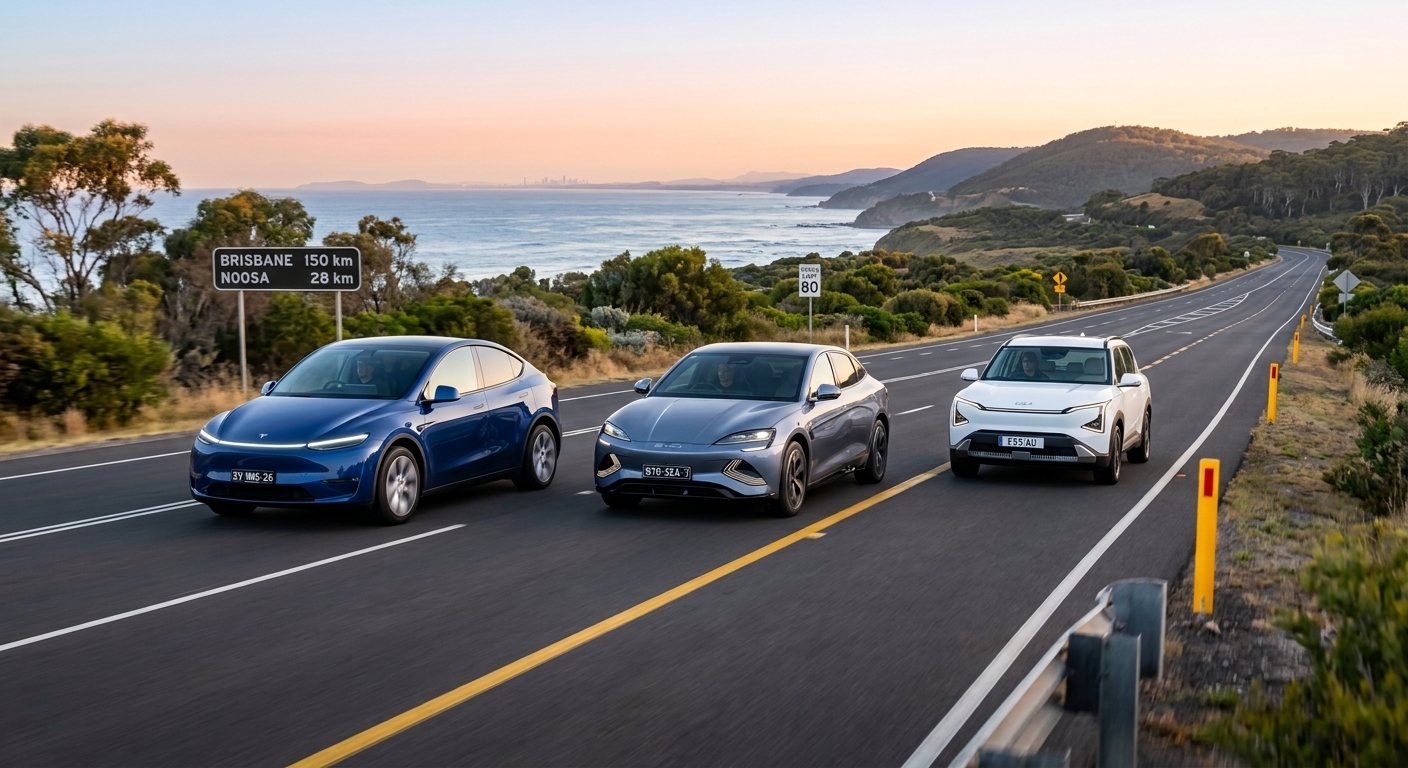
Australia’s electric vehicle market has officially crossed a major tipping point. Electric vehicles now account for roughly one in every five new cars sold across the country. Driven by rising fuel costs, a wider array of affordable models, and tax incentives like the FBT exemption for novated leases, Aussie drivers are making the switch in record numbers.
Below is a breakdown of the top-performing EVs leading Australia’s sales charts so far in 2026, complete with key specifications and expert commentary from automotive journalists.

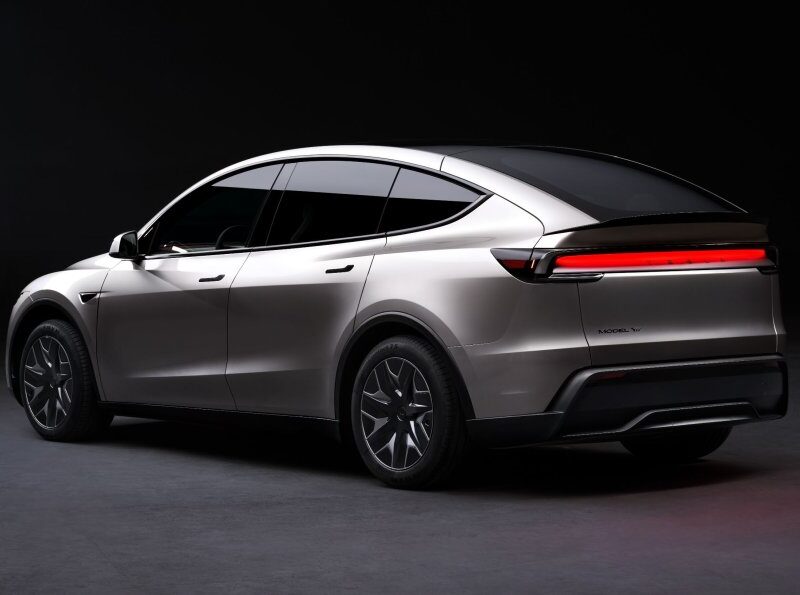
The Tesla Model Y L, with 6 seats, full self-driving and V2L capability, has been a popular choice in 2026.
1. Tesla Model Y
The reigning champion of Australia’s EV market continues to dominate, occasionally topping total new-car sales nationwide ahead of traditional dual-cab ute favorites.
Acceleration (0-100 km/h): 6.9 seconds (Rear-Wheel Drive) | 3.7 seconds (Performance)
Battery Size: ~60 kWh (RWD) | 75 kWh (Long Range / Performance)
Driving Range: 455 km to 533 km (WLTP)
“The Tesla Model Y remains the gold standard for packaging, efficiency, and charging convenience in Australia. Nothing beats the seamless integration of Tesla’s Supercharger network for long-distance regional touring.”
— WhichCar Australia
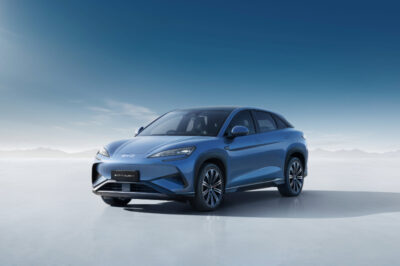
The BYD Sealion 7 has been incredibly popular and priced just under the Tesla equivalent, it has been a consistent seller in 2026.
2. BYD Sealion 7 & Atto 3
BYD has grown into a major automotive force in Australia, challenging legacy brands for total monthly sales volumes. While the compact Atto 3 SUV remains a steady best-seller, the newly introduced BYD Sealion 7 mid-size SUV has quickly captured substantial market share.
Acceleration (0-100 km/h): 6.7 seconds (Atto 3) | 4.5 seconds (Sealion 7 Performance AWD)
Battery Size: 60.4 kWh (Atto 3) | 82.5 kWh (Sealion 7)
Driving Range: 420 km (Atto 3 WLTP) | 500+ km (Sealion 7 WLTP)
“BYD’s Blade Battery technology continues to set a benchmark for thermal safety and longevity. With the Sealion 7, BYD has delivered a sharp, highly practical family SUV that takes the fight directly to the Model Y.”
— CarExpert
3. Tesla Model 3
The iconic sedan that kicked off mass-market EV adoption in Australia remains a core favorite, particularly among novated lease drivers seeking maximum efficiency and aerodynamic range.
Acceleration (0-100 km/h): 6.1 seconds (RWD) | 3.1 seconds (Performance)
Battery Size: 57.5 kWh (RWD) | 75 kWh (Long Range / Performance)
Driving Range: 513 km to 629 km (WLTP)
“The recent design updates gave the Model 3 what it needed most: a quieter cabin, improved suspension compliance, and premium interior trim. It is easily one of the most complete electric sedans on the market.”
— Drive.com.au
4. Kia EV5
Kia’s purpose-built family electric SUV has quickly scaled up the sales charts. Designed to offer mid-size SUV practicality at a competitive price point, the EV5 brings bold styling and rapid charging to everyday Australian families.
Acceleration (0-100 km/h): 8.5 seconds (Standard FWD) | 6.1 seconds (AWD)
Battery Size: 64.2 kWh (Standard) | 88.1 kWh (Long Range)
Driving Range: 400 km to 540 km (WLTP)
“Kia has nailed the practical side of family motoring with the EV5. It feels built for Australian roads, offering compliant suspension tuning alongside a cleverly designed cabin.”
— Carsales
5. Geely EX5
As one of the newest entrants to the Australian market, the Geely EX5 compact SUV has disrupted the entry-level EV segment with high standard features and sharp pricing.
Acceleration (0-100 km/h): 6.9 seconds
Battery Size: 60.2 kWh (Short Range) | 72 kWh (Long Range)
Driving Range: 430 km to 530 km (WLTP)
“The Geely EX5 proves that value-focused electric vehicles no longer require compromise on interior technology or safety equipment. It represents a genuine threat to traditional petrol-powered family crossovers.”
— Chasing Cars
6. Zeekr 7X
The Zeekr 7X has emerged as one of the standout success stories in Australia’s EV market, making a significant impact in the mid-size SUV segment and selling just under 8,000 vehicles so far in 2026. Positioned as a tech-focused premium crossover, it delivers high performance alongside rapid 800V charging capabilities.
Acceleration (0-100 km/h): 5.8 seconds (Single Motor RWD) | 3.8 seconds (Dual Motor AWD)
Battery Size: 75 kWh (LFP) | 100 kWh (NCM)
Driving Range: 470 km to 605 km (WLTP)
“The Zeekr 7X strikes an impressive balance between ultra-fast 800V charging, executive-level cabin refinement, and serious straight-line performance. It directly challenges established luxury rivals on both technology and value.”
— Drive.com.au
Summary Comparison Table
Vehicle Model 0-100 km/h Battery Size WLTP Range Tesla Model Y3.7s – 6.9s60 – 75 kWh455 – 533 kmSupercharger Network & Interior SpaceBYD Sealion 74.5s – 6.7s82.5 kWh500+ kmBlade Battery Safety & PerformanceTesla Model 33.1s – 6.1s57.5 – 75 kWh513 – 629 kmExceptional Efficiency & Driving DynamicsKia EV56.1s – 8.5s64.2 – 88.1 kWh400 – 540 kmFamily Practicality & Local Ride TuningGeely EX56.9s60.2 – 72 kWh430 – 530 kmRankModelYTD Sales (2026 So Far)Key Segment / Highlights1Tesla Model Y 25,040Consistently Australia’s top-selling overall vehicle in peak months, propelled by the updated look and expanded Model Y L variant.2BYD Sealion 715,064The breakout hit of 2026, spearheading BYD’s historic push against market leaders.3Geely EX58,790Rapidly established itself as a go-to budget/tech-focused mid-size family SUV.4Tesla Model 3~7,500Continues strong steady volume among EV sedans, particularly through fleet and corporate novated leases.5Kia EV5~6,200Top performer among traditional legacy brands, competing closely in the mid-size SUV category.